
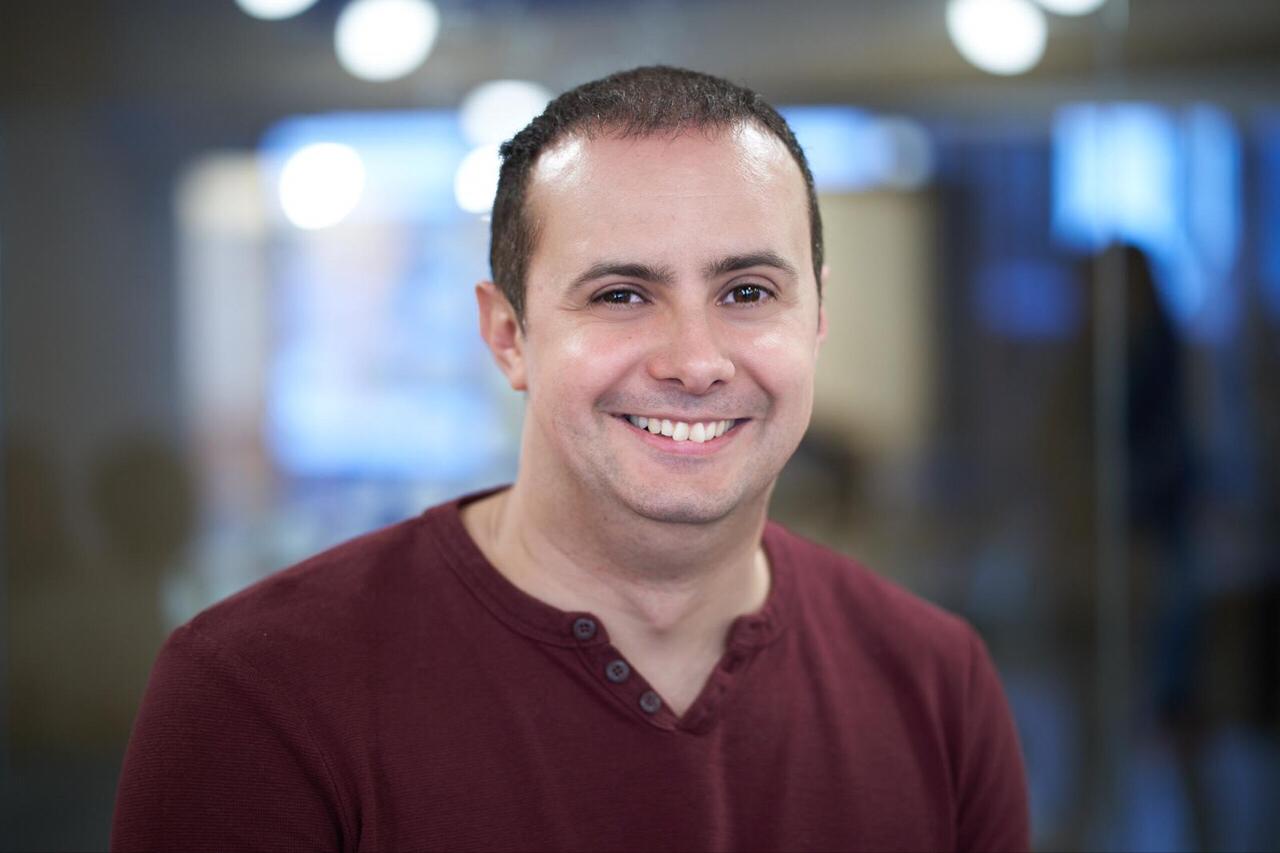
Francisco José García Navarro
February 18, 2022Forbes Interviewed Me. No, I Didn't Pay for It.
" How a Spanish iOS developer ended up in the same magazine as billionaires and tech moguls "

Let me get this out of the way: I'm in Forbes.
There. I said it. Now I can move on.
If you came here looking for a Swift concurrency tutorial, sorry — not today. Today is the story of how a freelance iOS developer from Spain ended up in a Forbes article alongside nine other Spanish professionals, all explaining why we chose the freelance life that your relatives still don't quite understand at family dinners.
How it happened
It started with Malt, the European freelance platform where I've been working for several years. Malt connects over 320,000 independent professionals with companies across Europe, and I've built a solid track record there — Super Malter status, Malt Linker badge, and consistently top-rated in iOS development.
Jon Younger, a Forbes contributor who has been documenting the global freelance revolution for years, was writing the 8th edition of his "Freelance Voices" series. Each article features freelancers from a different country sharing their perspective. He'd already covered the UK, France, the Netherlands... and Spain was next.
Malt connected him with ten of us. I was sitting in my apartment in Prague when the email arrived. My response was something along the lines of "Yes. Yesterday. Where do I sign?"
What I said
My quote in the article was intentionally brief: after 21+ years in software development and deep expertise in iOS, what I needed was freedom. The biggest benefit of freelancing has been the ability to work from anywhere for clients all over the world. At the time, I was working from Prague — but I could be anywhere on the planet and still deliver.
What didn't fit in a two-sentence quote is the journey behind that decision. Going freelance wasn't a lightning bolt moment. It was years of building confidence, understanding that my value as a senior iOS developer doesn't come from having a boss who tells me what to do every morning — it comes from the problems I can solve.
And yes, I was writing from Prague. Because when you're freelance and your tools are a MacBook and a solid internet connection, the question isn't "where can I work?" — it's "where do I want to live this season?"
The company I'm keeping
The best part of the article is the other nine freelancers. We're a diverse group: web designers, IT architects, backend and mobile developers, marketing consultants, translators, UX/UI designers, and graphic designers. And despite our different backgrounds, there's a common thread that struck me: nobody leads with money as their primary motivation.
Every single one of us talks about freedom, flexibility, choosing meaningful projects, managing our own time, and professional growth. One colleague, Eduardo Martos, nailed something I deeply relate to: the one extra quality you need as a freelancer is being unafraid of failure. Business is volatile, often unfair, and it's normal to make mistakes.
Another, Miguel Valiente, raised a point that anyone in tech freelancing knows well: in a market with such high demand, you need to set time limits — otherwise you become a slave to your own freedom. That's wisdom you only get from experience.
The elephant in the room: freelancing in Spain
The Forbes article doesn't dive into the particularities of being a freelancer in Spain — it's an American publication, after all. But let's be honest: the Spanish autónomo system has its... let's call them "quirks."
The fixed monthly social security fees (whether you earn or not), the bureaucracy, the love-hate relationship with the tax office, the eternal "is that with VAT or without?" — and the fact that many people still think a senior contractor is "the app guy."
But despite all of that, here we are. Ten Spanish professionals in Forbes saying: this works, this is worth it, and we're not going back.
What's next?
The same thing I was doing before Forbes called: building iOS apps for companies that need a real senior developer on their team. The difference is that now, when a CTO looks me up, there's a Forbes link in my profile. Not a bad way to start a conversation.
What I take away from this experience is something I already knew but now have confirmed: the freelance ecosystem in Spain is maturing. More top-tier professionals are choosing this path, and more companies — especially large ones — understand that a senior contractor can deliver more value than three juniors who need training.
If Jon Younger writes another Spanish edition of Freelance Voices a few years from now, I'm sure the list will be much longer. And that's good for everyone.
In the meantime, I'll be here. Probably in a different country, but with the same MacBook and the same drive.
Read the full article on Forbes: Freelance Voices: Spanish Freelancers Describe Why They've Chosen The Freelance Life
Does your team need a senior iOS developer with experience in apps used by millions? I work as a B2B contractor and integrate into your team as one of your own. Let's talk →
About the author
Francisco José García Navarro
Francisco José García Navarro is the co-founder and CEO of AtalayaSoft and an experienced iOS software engineer with over 25 years in software development. Specializing in native iOS applications, Francisco has a rich background working with high-profile clients such as Banco Santander, Fox International Channel, Repsol, and National Geographic.