
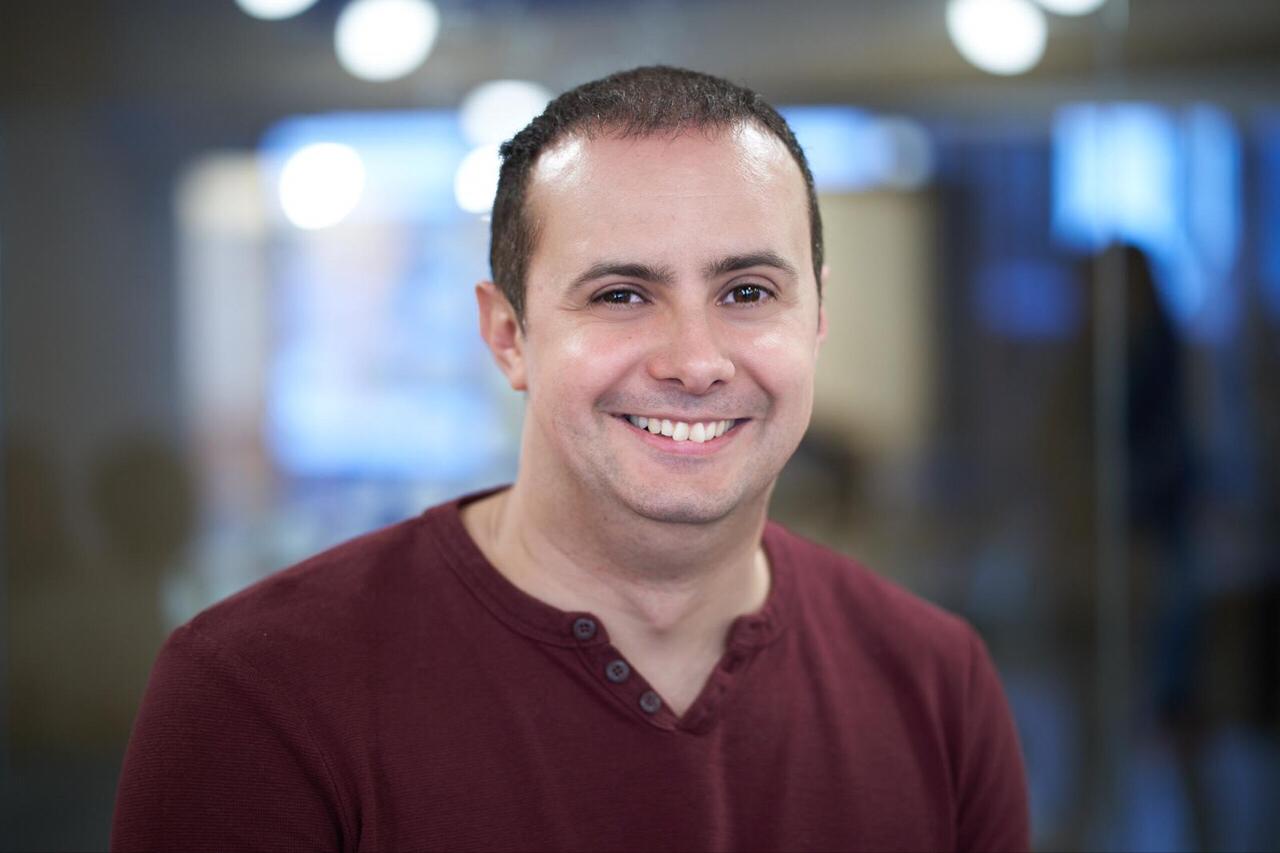
Francisco José García Navarro
April 15, 202625 Years Writing Code: From an Amstrad to the App Store
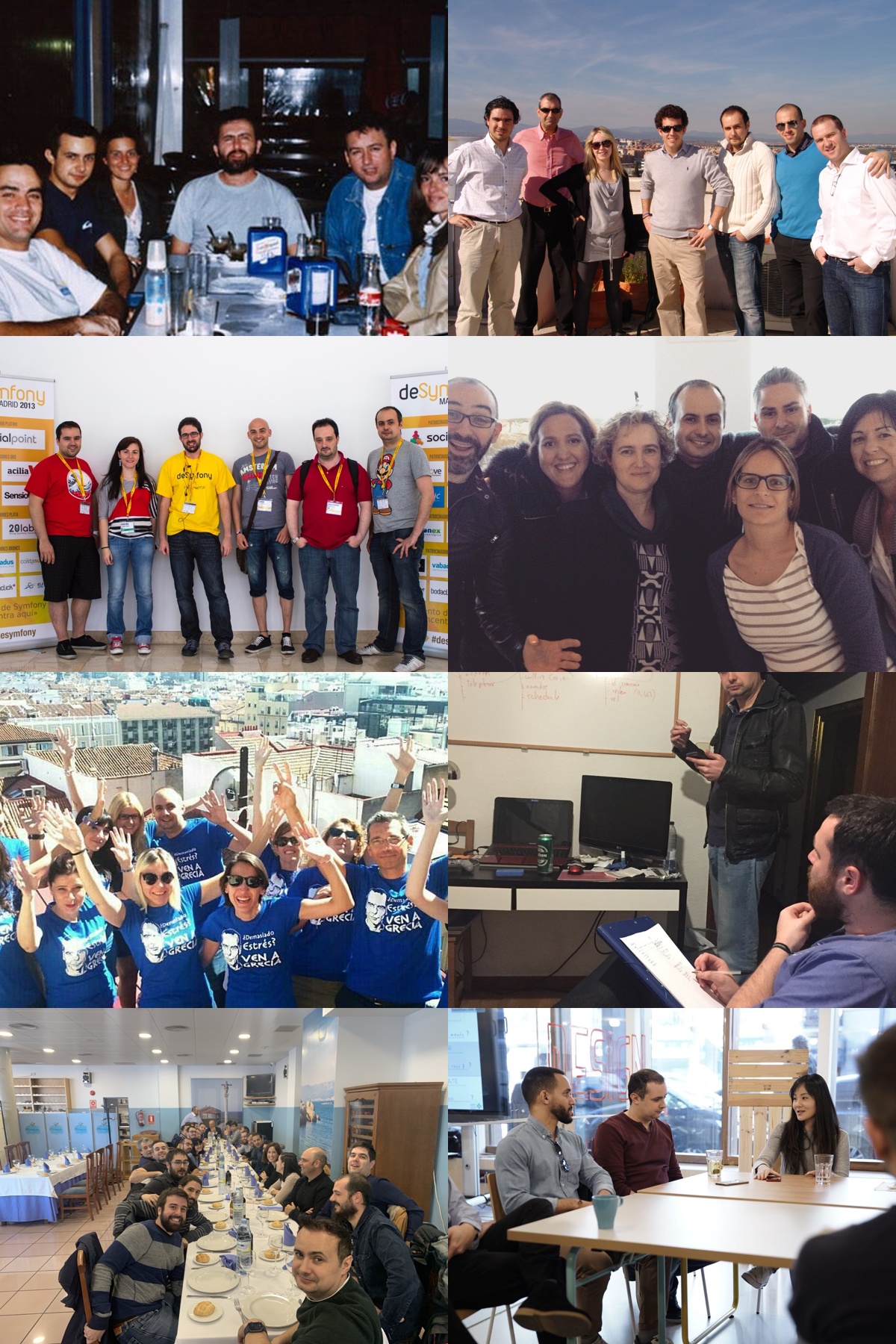
" A quarter century of programming, from pirated CDs in high school to apps with 218 million users — and why this profession never lets you stop. "
From selling pirated CDs in high school to building apps with 218 million users. From studying with 800-page programming bibles on the bus to learning with AI. This is the story of a profession that never lets you stop — and why that's the best thing about it.
It all started with a kid who couldn't stop pressing buttons.
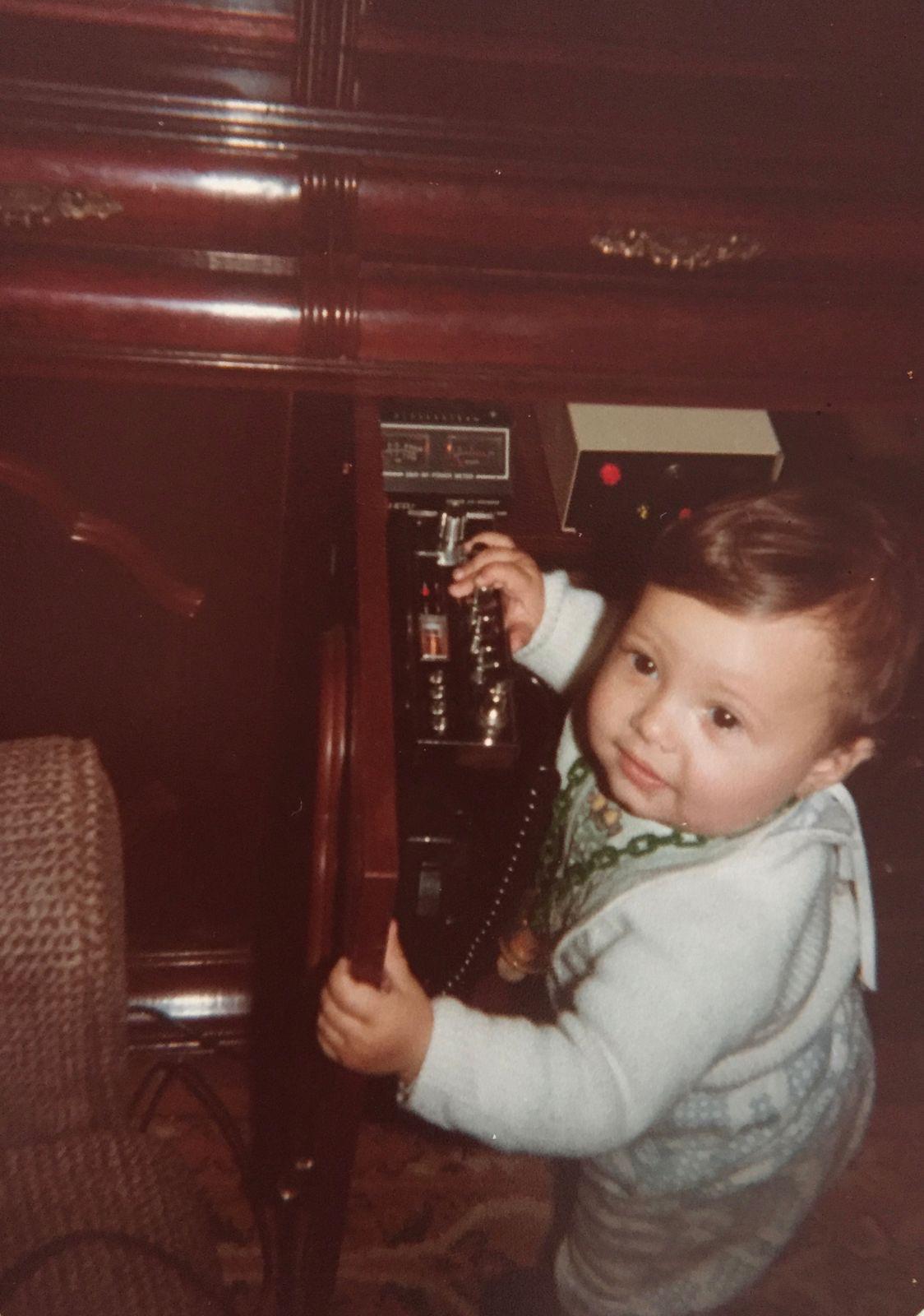
Before I knew what a for loop was, I was already taking things apart to understand how they worked. There's a photo of me as a toddler, gripping a ham radio like it was a spaceship's control panel. Technology fascinated me in a way I couldn't explain. I just couldn't leave it alone.
Today, 25 years after my first day on the job as a programmer, I still feel the same way. And if there's one thing I've learned in all this time, it's that this profession never lets you stop. There's always something new to learn, something you don't fully understand, something that can be done better. For some people, that's exhausting. For me, it's the most fun thing there is. If you want to jump straight to the lessons I'm taking from these 25 years, skip ahead.
In this article:
- Video Games Changed Everything
- At 16, My First "Business"
- At 18, a Professional Soldier
- At 19, My First Programming Job
- The Web Design Era: My Own Office at 23
- Madrid: The Big Leagues
- CTO of a Startup Sold for €80M
- The Thyssen Museum: My Office in a Palace
- 12 Years Without a Formal Qualification
- The Switch to iOS
- The Startup That Didn't Work
- AtalayaSoft: The Definitive Project
- The Big Clients
- Forbes, Malt, and Recognition
- What I've Learned in 25 Years
- What About the Next 25?
Video Games Changed Everything
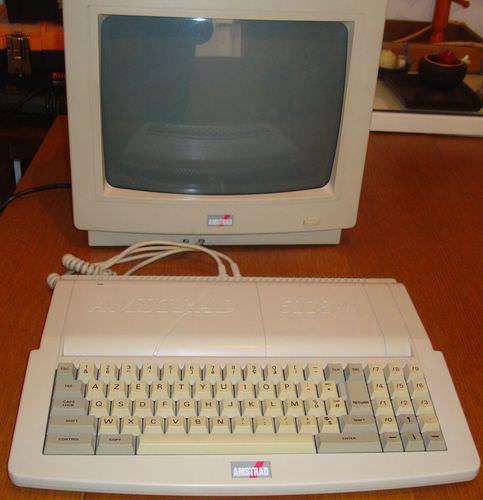
Video games are what pulled me into programming. I wanted to understand how the games I played on my NES and Game Boy were made. So one day, at 13, I sat down in front of an Amstrad CPC 6128 and started coding my first games.
Those computers were my school. An Amstrad CPC with its green screen and a PC where I played Wolfenstein 3D. I learned BASIC, then Pascal, then C. My first books were the Amstrad 464/6128 Plus manual, the DIV Games Studio user guide — a Spanish game creation engine that was revolutionary for its time —, a Delphi 5 bible, and a C++ textbook. Thick, heavy books you carried under your arm like bricks. The programming "bibles."
Nobody taught me. Nobody around me programmed. I was just curious, and I had time. I've always been self-taught. And that hasn't changed one bit in 25 years.

At 16, My First "Business"
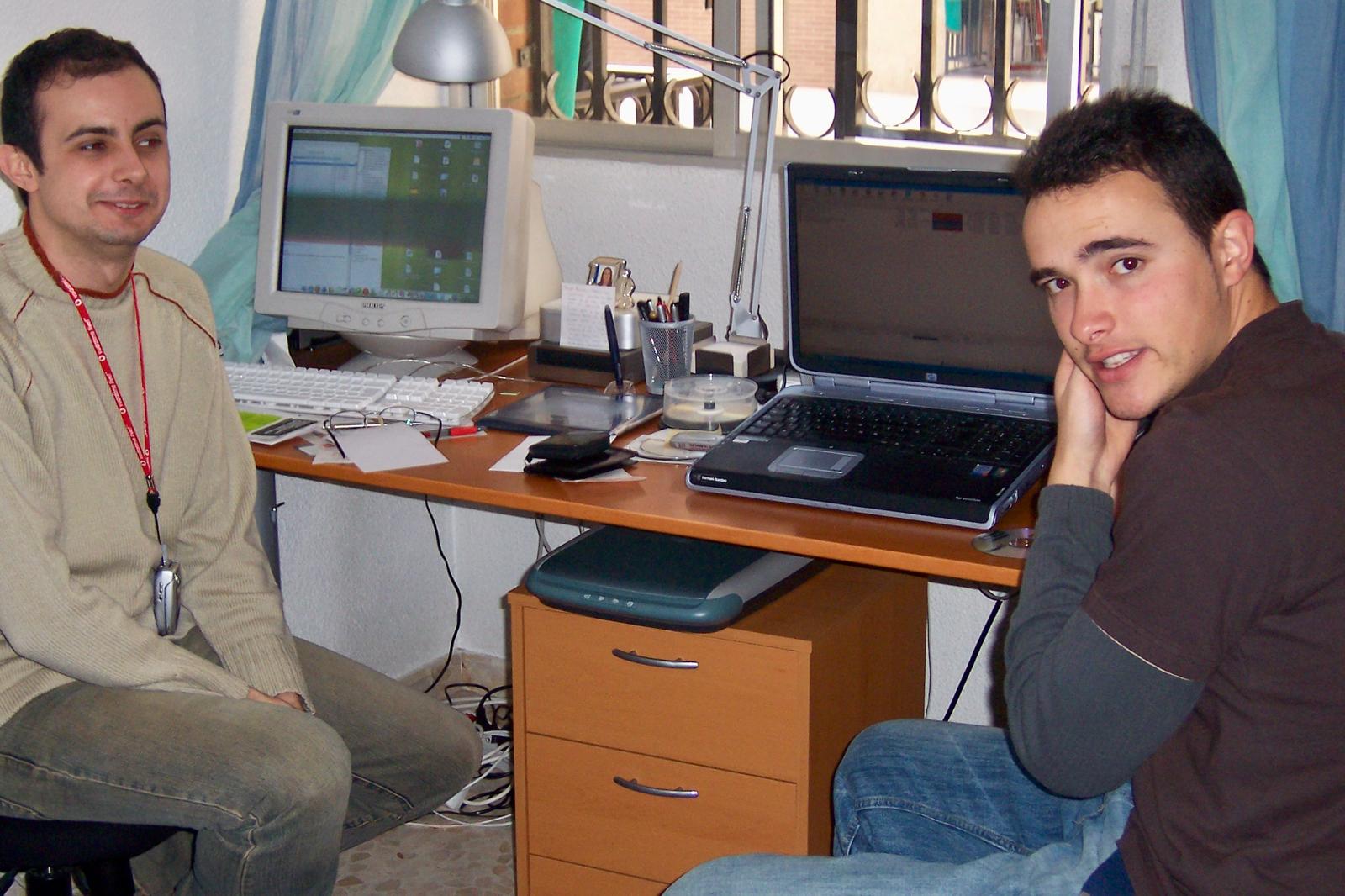
At 16, I started my first business. It wasn't exactly legal: I sold pirated game CDs at school. In Algeciras, southern Spain, in the late '90s, that was the closest thing to e-commerce you could set up.
The process had its own engineering. I'd go to internet cafés to download cracks for games. I'd rent original games, rip them, add the crack, then build an interactive menu using an application called Notebook so the CD had its own selection interface. That's how I created my own custom game packs — Verbatim CDs, floppy disks, and a lot of patience. For a 16-year-old in Algeciras, it was a full-blown production system.
That was my first real contact with the digital world as something more than a hobby. I no longer just wanted to consume technology — I wanted to make a living from it.
At 18, a Professional Soldier
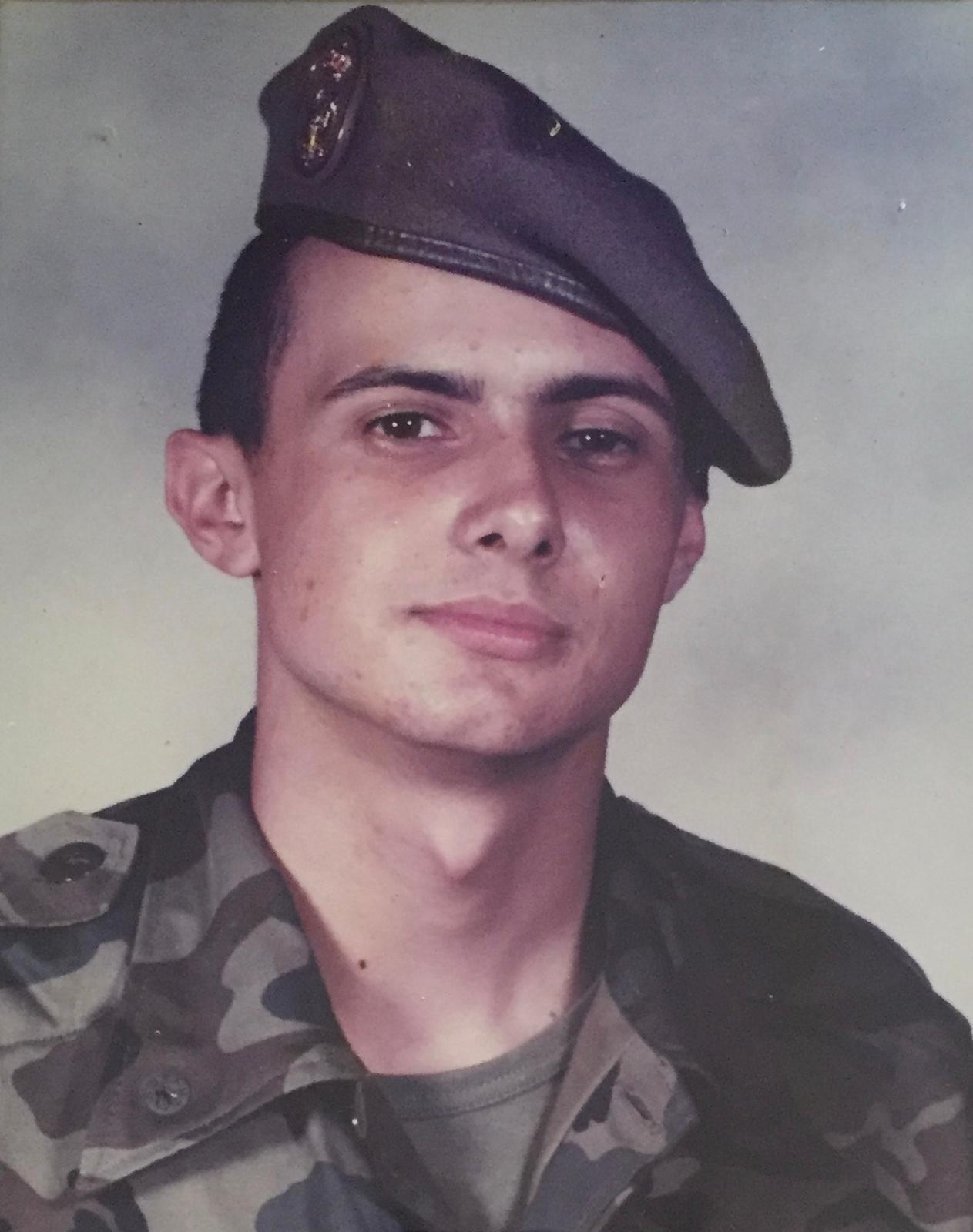
At 18, I left home. I needed out, and the fastest way I found was enlisting as a professional soldier.
I was stationed in Ceuta, North Africa. I spent 18 months protecting Spain's border, standing guard at the border fence and in an ammunition depot. Not exactly the most stimulating environment for a kid whose real dream was to code.
But while my fellow soldiers spent their salaries on cars, parties, and other distractions, I bought a laptop running Windows 2000 and a modem. In my free time, back at the barracks, I studied web programming. HTML, CSS, the first building blocks of what would become my professional career.
That laptop was the best investment of my life. Every peseta I spent on it paid back a hundred times over in opportunities.
At 19, My First Programming Job
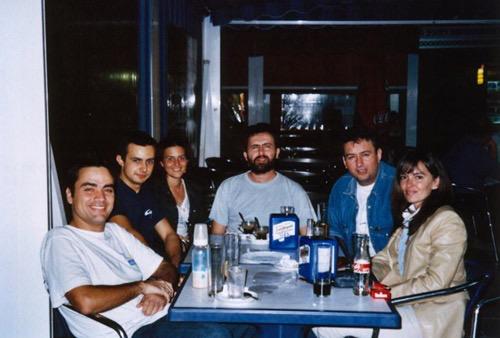
At 19, I landed my first job as a developer in Algeciras. It was 2001. The dot-com bubble had burst, but in Spain web development was still booming. Companies needed websites, and I knew how to build them.
I started at Ok Computer, a small web development shop. From there I moved to Cherrytel Comunicaciones, where I worked as a web and multimedia developer. I had no university degree, no industry connections, nothing except what I'd taught myself on that laptop I'd bought with my soldier's salary.
But I could code. And that was enough.
I remember my first year on the job perfectly. Every day I'd ride the bus with a massive ActionScript and Flash programming bible under my arm. An 800-page monster that weighed like a brick. I'd read it on the way in and on the way back. It was my personal university on wheels.
That's how you learned back then: with bibles. Huge books from O'Reilly, Wrox, Sams. There was no YouTube, no Udemy, no Stack Overflow. If you wanted to learn PHP, you bought "The PHP Bible" and read it cover to cover. If you wanted to learn Flash, you bought the ActionScript manual and studied it line by line. Knowledge had weight — literally — and you had to earn it.
The Web Design Era: My Own Office at 23
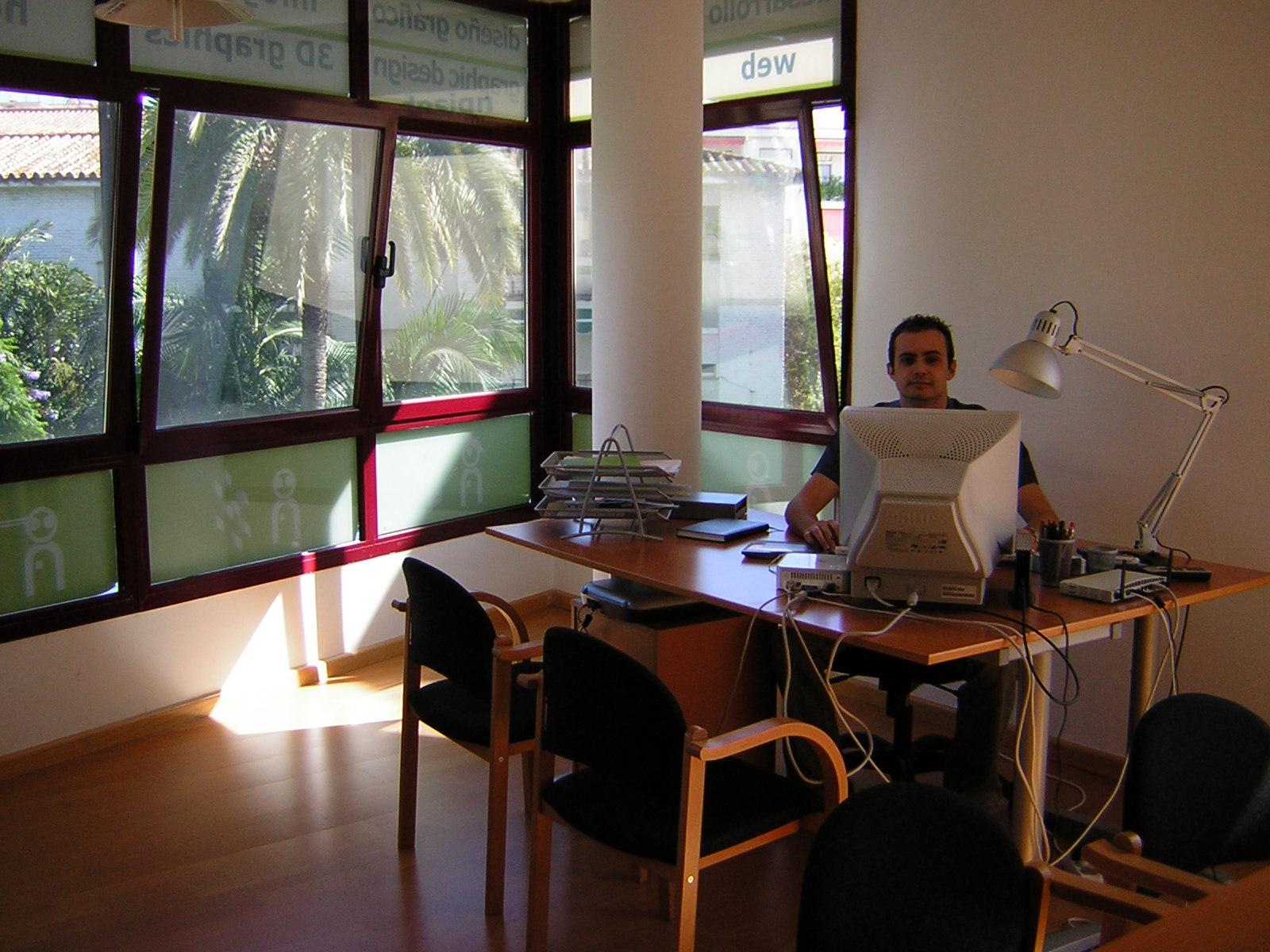
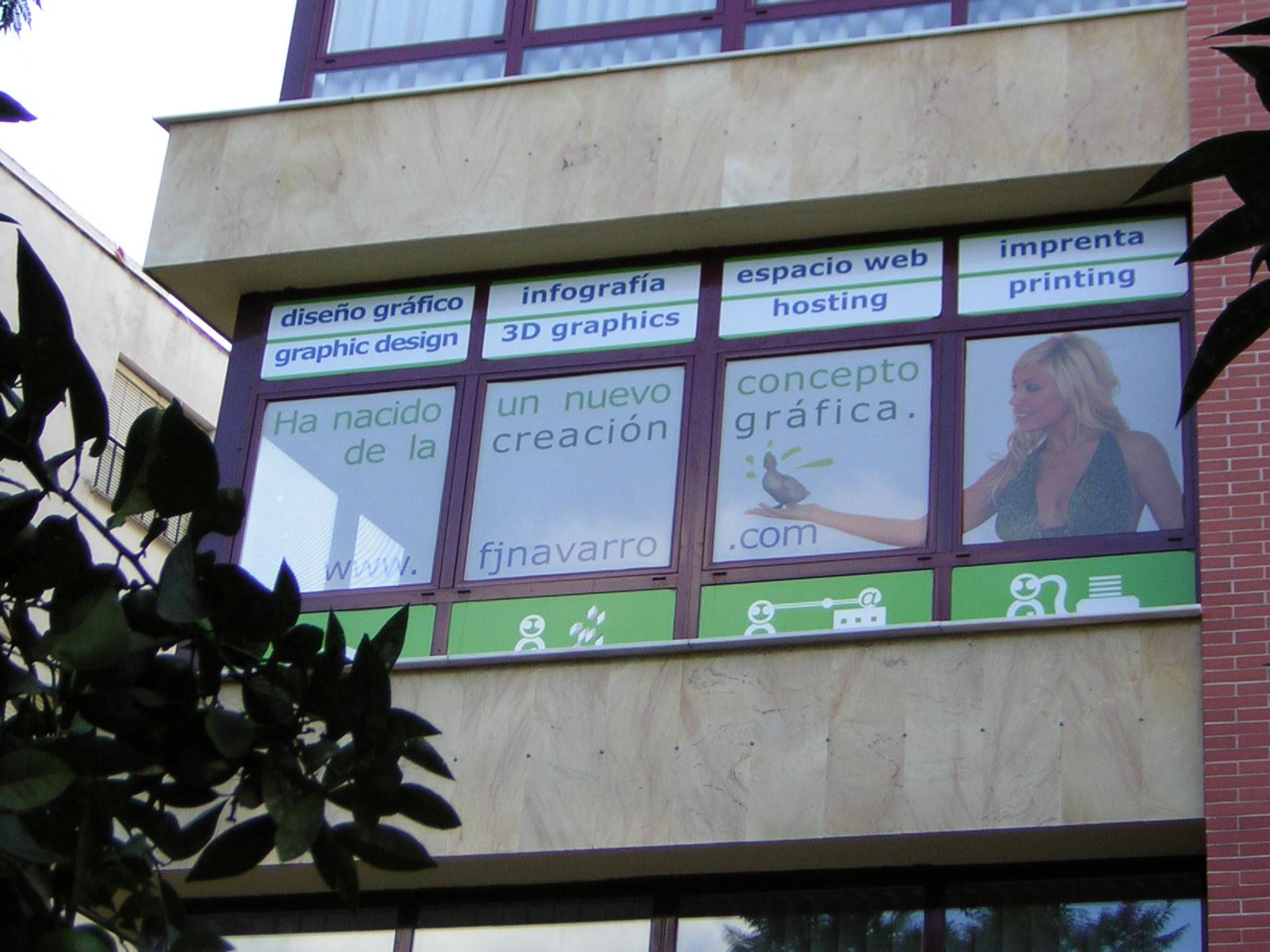
At 23, I founded FJNavarro Estudio de Diseño in Estepona, Málaga. My first office. Graphic design, web development, hosting, printing — I did everything. It was 2004, and running a web design studio on Spain's Costa del Sol felt like striking gold.
I remember the storefront window listing my services: "graphic design, 3D graphics, web hosting, printing." And my name on a commercial sign on the façade: FJNavarro Estudio de Diseño. Seeing that at 23 — my own company, my own clients — was a moment I'll never forget. The kid who sold pirated CDs at school now had his own design and web development studio, serving clients across Marbella, Estepona, and Málaga. Luxury real estate agencies in Puerto Banús, ad agencies, local businesses that needed their first website.
But I also learned something no programming book teaches you: running a business is much more than knowing how to write code. Clients who don't pay, budgets that fall short, competing on price with people who charge half as much. Lessons that toughened me up, and that I apply every day at AtalayaSoft.
After that I worked at Carintia Comunicación, the largest advertising agency in the Campo de Gibraltar region, where I mentored other developers and even covered for the department head. That's where I truly became a senior web developer. PHP, MySQL, JavaScript, Flash — the stack of the era. Those were the years of websites built entirely in Flash, with animated intros and menus that unfolded with effects. A world that feels prehistoric today.
From Carintia I moved to AlienVault, a cybersecurity startup headquartered in Silicon Valley with offices in Spain. I worked in the R&D department on the open source project OSSIM. AlienVault would later be acquired by AT&T for an undisclosed amount, but they had raised $120 million in funding rounds. It was my first experience in the startup world with serious capital behind it.
Madrid: The Big Leagues
In 2011, I made the move to Madrid. Andalusia had become too small. I needed to grow professionally, and Madrid was where the big opportunities were.
And the first one was La Nevera Roja.
CTO of a Startup That Sold for €80 Million
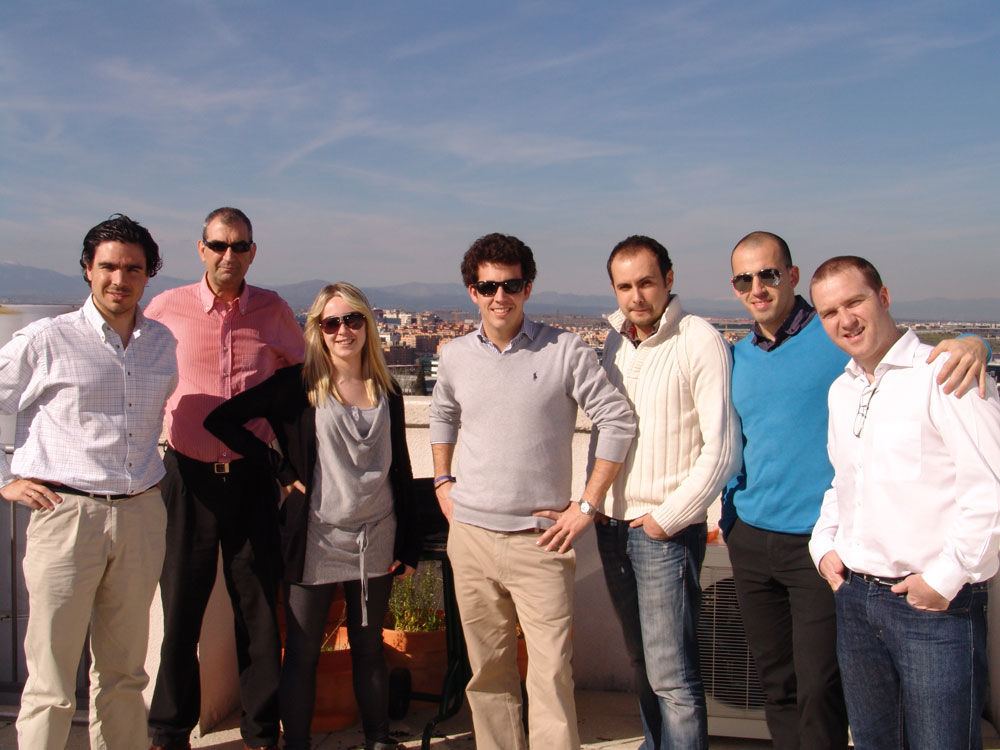
At 30, I became CTO of LaNeveraRoja.com. Six of us, working out of an attic in Madrid. A food delivery startup. Yes, before Glovo, Uber Eats, or Deliveroo existed in Spain.
La Nevera Roja was the Spanish equivalent of Just Eat, Wolt, or DoorDash. And I was responsible for the entire technology stack.
The company grew to cover over 600 Spanish cities with 7,000 partner restaurants and 30 types of cuisine from every continent. In 2015, Rocket Internet acquired it for €80 million, and it was later sold to Just Eat as part of a package that included other markets for €125 million.
It was an intense experience. Building technology from scratch, scaling a product, making technical decisions that affected thousands of users and restaurants. I learned more in those months than in years of conventional work. And above all, I learned that technology isn't an end in itself — it's a tool for solving business problems. That lesson is permanently etched in my mind.
The Thyssen Museum: My Office in an 18th-Century Palace
Around the same time as La Nevera Roja, and for several years afterwards, I worked with Acilia Internet on projects for top-tier clients: National Geographic, Fox International Channels, the Thyssen-Bornemisza Museum, BBVA, and the Condé Nast Group (Vogue, Vanity Fair, Glamour, GQ) in Spain and France.
My office during the Thyssen years was inside Villahermosa Palace, an 18th-century palace on the Paseo del Prado in the heart of Madrid, home to the museum. I was working on the museum's website, surrounded by art, with views of one of the most beautiful streets in Madrid. It was surreal: a kid from Algeciras who'd sold pirated CDs at school, working in a palace with Rembrandts and Caravaggios on the walls downstairs.
I loved that office. But what left the biggest mark on me at the Thyssen was the people. Ana Álvarez Lacambra, Head of Web and New Media at the museum, wrote about me: "his best qualities are his proactivity, his commitment to continuous learning, and staying current with technologies."
Continuous learning. That phrase sums up my career better than any degree.
12 Years Without a Formal Qualification — and Why It Matters
For 12 years, I worked as a software engineer with no formal qualifications. My CV was my code and the projects I'd shipped. Nobody ever asked for a degree because the results spoke for themselves.
While I was at the Thyssen, I decided to get my official qualification in Multiplatform Application Development. More out of curiosity than necessity. The truth is, I didn't learn anything new that contributed to my career — I'd been doing what the course taught for 12 years. But it was an experience, and it allowed me to officially validate what I already knew how to do.
This isn't a knock on formal education. It's a reality of this profession: what you learn in a classroom expires fast. What keeps you relevant is the ability to learn on your own, to adapt, to keep studying when nobody's making you. And that doesn't come from a degree — it comes from curiosity.
The Switch to iOS: Because Web No Longer Challenged Me
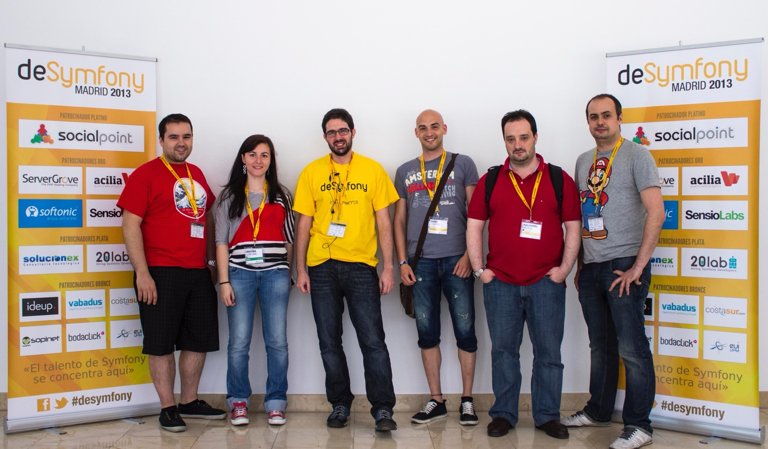
In 2013, I attended deSymfony in Madrid, a web development conference. That's where I realized something I'd been feeling for a while: web development no longer challenged me. I'd been doing it for over a decade. I'd mastered PHP, Symfony, JavaScript, Flash, ActionScript, MySQL, and the entire web ecosystem of the era. I could build anything they asked for.
And that's precisely why I needed a change. I love challenges. When something stops being hard, it stops being interesting. I needed to feel like a beginner again.
So I decided to switch to iOS. The "Level 3: HARD" I needed.
During the day, I worked as a web developer for companies in Madrid. At night, I stayed up learning iOS development: watching WWDC sessions, reading Apple's documentation, building practice apps in Objective-C. I slept five hours a day. Pizza, coffee, Xcode, repeat.
It was hard. Really hard. Learning a new language, a new paradigm, an entirely different ecosystem — all while holding down a full-time job. But the difficulty was exactly what I was looking for. That feeling of not understanding something, of wrestling with a concept until it clicks, of going to sleep thinking about a problem and waking up with the solution.
That's what hooks me about this profession. The race never ends.
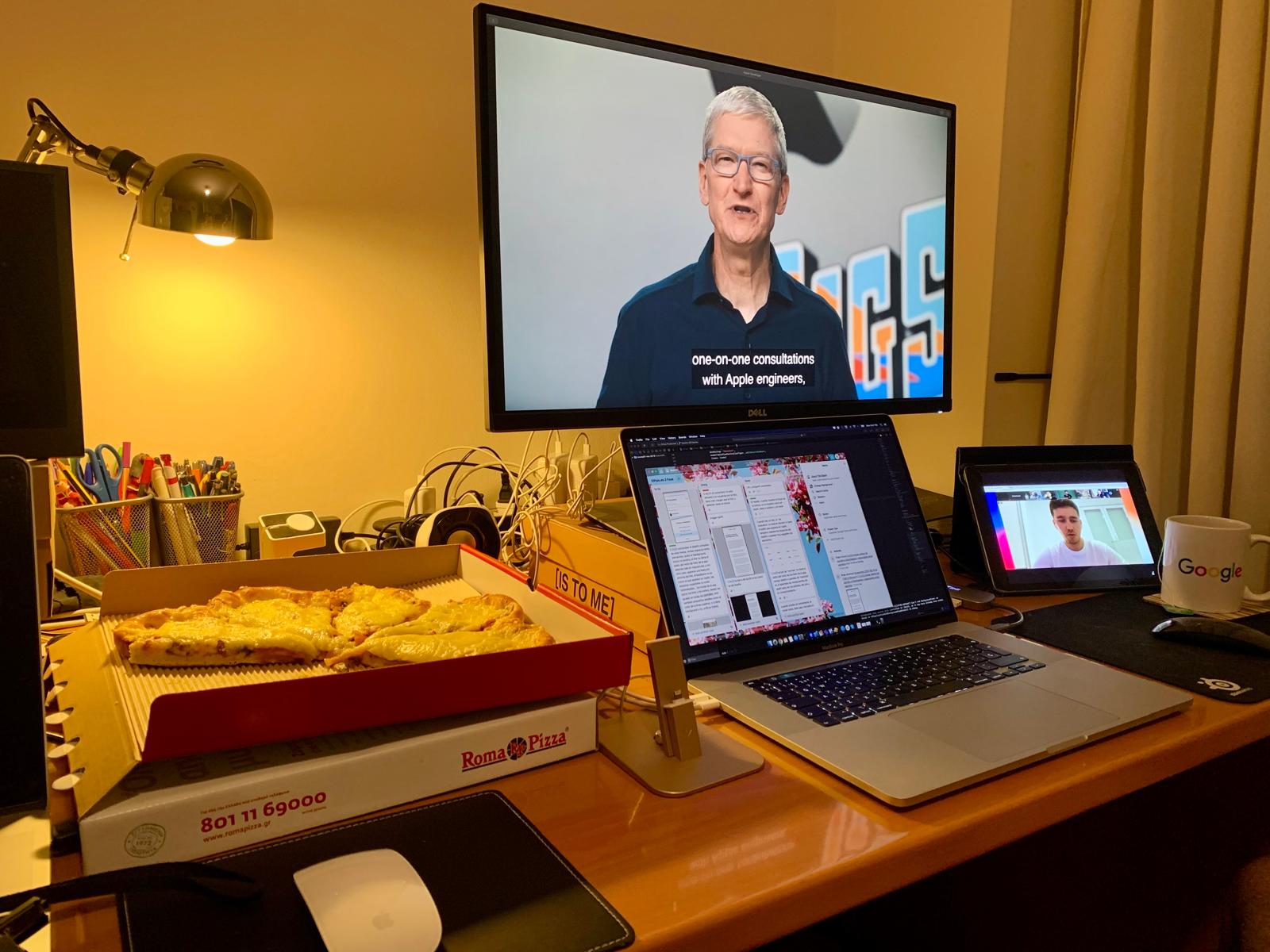
From programming bibles to online courses, from online courses to AI. The way we learn has changed radically in 25 years, but one thing hasn't changed: the need to keep doing it. This profession is a race with no finish line. Every year Apple launches new APIs, new frameworks, new versions of Swift. And today, with 25 years of experience, I'm still studying, still taking courses, still watching WWDC sessions like it's my first time. For me, that's not a burden — it's the most enjoyable part of the profession.
The Startup That Didn't Work — and What I Learned
Not everything in 25 years has been a success. In 2017, together with a team of 6 people, I co-founded HuaShengTong (花生通), an app for Chinese residents abroad and for people interested in Asian culture. I was CEO and iOS developer at the same time.
It didn't work out. And it's OK to say that. It wasn't for technical reasons — the product was built well. The mistake was mine: I didn't validate team alignment enough before kicking off. There were 6 of us with different visions, and by the time it became obvious, it was too late to course-correct. In the end, we called it quits.
From HuaShengTong I learned lessons that no successful project could have taught me: that a misaligned team is worse than no team at all, that it's not enough to know how to build — you need to know who you're building with, and that sometimes the best decision is to let go of a project in time rather than dragging it out.
AtalayaSoft: The Definitive Project
In 2019, together with Dandan Chang Wang, we founded AtalayaSoft. An iOS development company registered in Estonia, operating from Prague. Our family business. Our watchtower.
Dandan brings something no pure developer has: international business vision. Trilingual in English, Spanish, and Chinese, with a background in international trade and marketing, she handles commercial strategy, client communications, and business management, in addition to contributing to iOS development. AtalayaSoft works because we combine the technical and the commercial without friction.
AtalayaSoft is the culmination of everything I've learned in 25 years — including HuaShengTong. Dandan and I are 100% aligned. We know exactly what we are and what we aren't. That clarity comes from having learned what happens when it's missing. We're not an agency that takes on any project. We're senior iOS contractors who embed in enterprise teams to solve real problems: migrating legacy UIKit apps to SwiftUI without breaking anything, implementing accessibility to comply with the European Accessibility Act, designing on-device AI architectures with Apple's Foundation Models framework, resolving Swift 6's strict concurrency walls.
The Big Clients
Through AtalayaSoft, I've worked with some of the largest companies in Spain and Europe. Each project has taught me something different.
Banco Santander — I joined the Core Team for OneApp Europe, the app used by 15 million people across Spain, Portugal, the UK, and Poland. Rated 4.7 out of 5 on the App Store with over 354,000 ratings. Working on the core team of a banking app at that scale teaches you what "scalability," "security," and "you cannot break anything because 15 million people depend on this" truly mean.
Ricardo Gallo, Technology Director for OneApp Europe at Santander, wrote: "he stands out for his rigor and commitment to quality in every task he undertakes. His work is based on Clean Architecture and SOLID principles."
Zara (Inditex) — The most downloaded fashion app in the world, with 218 million users. Inditex is a software engineering powerhouse, and being part of its iOS ecosystem was a masterclass in how products are built at global scale.
Juegos ONCE — Here, accessibility wasn't a nice-to-have; it was the heart of the product. The ONCE (Spain's National Organization for the Blind) has inclusion as its reason for being. Working on an app where every screen, every button, every interaction had to work flawlessly with VoiceOver changed my perspective as a developer. It made me understand that accessibility isn't a checkbox on a compliance form — it's a responsibility to the people who use your software. That experience turned accessibility from a technical obligation into a personal conviction — and it's the foundation of our iOS accessibility service for EAA compliance.
Indra — Digital signatures with certificates for official documents. Top-tier security. I built signing SDKs and a multi-client signing platform for iOS. When you work with digital signatures and certificates, there's zero margin for error.
El País — The most widely read Spanish-language newspaper in the world, with over 65 million monthly readers. I joined to deliver critical features under tight deadlines. An app on iPhone, iPad, Apple TV, and Apple Watch, in 30 languages.
B-FY (Biocryptology) — I worked as lead iOS developer at a cybersecurity company specializing in biometric identity. Encryption frameworks, low-level security, Bluetooth BLE without SDKs. One of the most technically challenging projects of my career.
AXA, Direct Seguros, Salvamento Marítimo — Every project a different world. Insurance, maritime rescue, critical services. What they all have in common: they needed robust iOS solutions, and they all trusted my experience.
Forbes, Malt, and Recognition
In 2022, Forbes featured me in an interview as one of the top freelance references in Spain. It was a surreal moment: the kid from Algeciras who used to ride the bus with an ActionScript book, cited in Forbes.
On Malt — the French platform that connects companies with freelance experts — I earned the Super Malter and Malt Linker badges, with over 18 positive client reviews. These are distinctions that only a very small percentage of freelancers achieve, validating years of consistent work.
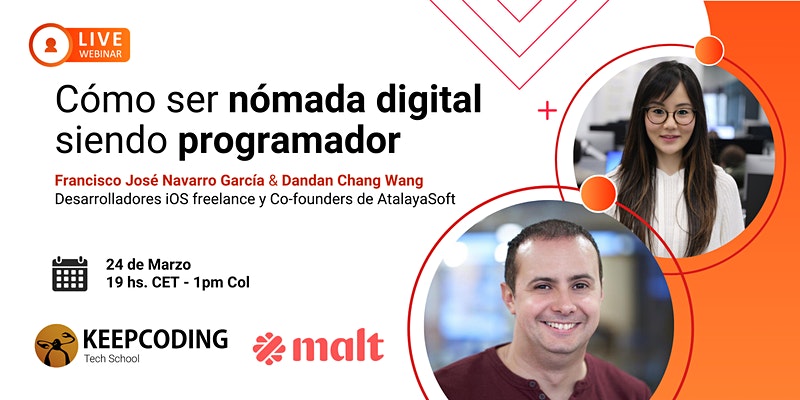
I was also invited to give a webinar at KeepCoding titled "How to Be a Digital Nomad as a Mobile Developer," where I shared my experience and my approach to this profession.
I never sought these recognitions — they came on their own after years of doing good work. But they remind me of something important: in this profession, your reputation is your most valuable asset. It's built project by project, client by client, year after year.
What I've Learned in 25 Years
If I had to distill a quarter century into a few lessons, these would be it:
Curiosity is worth more than a degree. I started programming at 13 with no teacher. I worked for 12 years with no formal qualification. What opened doors wasn't a diploma — it was being able to solve problems that others couldn't.
Never stop learning. To this day, I'm still studying. Still taking courses. Still experimenting with new technologies. The day you think you know everything, the market overtakes you. This profession is a race with no finish line — and for me, that's the best thing about it.
Invest in yourself, especially when no one else will. While others spent on parties, I bought a laptop. While they slept, I learned iOS. It's not that I'm better than anyone — it's that when you want something badly enough, you find a way. And the best return on investment is always investing in your own skills.
Change before the market forces you to. I left web development when it was comfortable because I knew that comfort is the prelude to obsolescence. Flash died. Websites with animated intros died. Those who stayed had to reinvent themselves from scratch. The switch to iOS was the best professional decision of my life, and I made it when things were going well — not when they were going badly.
Work on things that scare you a little. The projects that frightened me the most — being CTO of a startup, working on a banking app with 15 million users, building encryption frameworks, implementing accessibility for visually impaired users — were the ones that made me grow the most. If a project doesn't give you a touch of vertigo, you're probably staying in your comfort zone.
Don't be afraid to fail. My first design studio lasted a couple of years. Client non-payments, a tough market — entrepreneurship in Andalusia is no walk in the park. Not every project works out. But every failure teaches you something no success can.
Don't be afraid to let go. HuaShengTong didn't fail because of the product — it failed because I didn't invest enough time validating that all co-founders shared the same vision before we started building. Sometimes the smartest move isn't to push harder, but to recognize that the team isn't working and walk away in time. That decision is also a form of success.
Being technically good is not enough. For years I thought being a great programmer was all it took. That if the code was good, success would follow. It doesn't work that way. I've had to learn marketing, sales, negotiation, client management, positioning — skills that no Swift course teaches you. Technical talent and ambition without business skills make you a great employee. With them, they make you someone who can build something of their own.
Build something of your own. I've founded several companies throughout my career. Some worked, some didn't. But AtalayaSoft, the project Dandan and I built together, is the one that makes the most sense. Because it doesn't just reflect what I know how to do — it reflects how I want to live.
What About the Next 25?
If there's one thing I've learned in 25 years, it's that doing the same thing forever is the surest way to stagnate. And I've never been one to stand still.
I've built products for others my entire life. Apps with millions of users, platforms that sold for tens of millions, security systems for banks. Every project has taught me something. But there's a question I've been asking myself for a while: what happens when you put all that experience in service of something entirely your own?
I'm not talking about starting another consultancy or offering another service. I'm talking about building our own products. About applying everything I've learned in accessibility, AI, architecture, user experience — not to solve a client's problem, but to solve problems I want to solve myself. About going from being the one who builds other people's ideas to being the one who builds his own.
Dandan and I have already started moving in that direction. I can't say much more for now, but the next few years at AtalayaSoft are going to look very different from the ones before. The next chapter isn't a continuation — it's an evolution.
Meanwhile, we keep doing what we do best: embedding in enterprise teams as iOS architects, helping companies comply with the EAA, and bringing Apple Intelligence to apps that need it. If your team needs that experience, let's talk.
And if the first 25 years have taught me anything, it's that the most important changes are the ones you make when things are going well, not when they're going badly.

25 Years Later
Today, with 25 years of professional experience behind me, I still feel the same thing that 13-year-old kid felt sitting in front of an Amstrad: the urge to build things.
The technology has changed radically. Those pirated CDs are now apps on the App Store. That Windows 2000 laptop is now a MacBook Pro running Xcode. That attic with six people in Madrid is now a small iOS development studio operating from Prague. Those ActionScript bibles I read on the bus are now WWDC sessions I stream. Those Flash websites are now native apps built with SwiftUI and strict concurrency.
But the essence remains the same: a guy who enjoys solving problems with code. A guy who keeps learning every day. A guy who, 25 years into his career, still gets excited when a new Apple API opens up possibilities that didn't exist yesterday.
Thank you to all the colleagues, clients, mentors, and friends who've been part of this journey. To Alberto Ramírez, who said I was "a true reference" for him when we worked together. To Pablo Vargas, who described me as "an excellent person" beyond being a professional. To Ricardo Gallo, Manuel Losada, Ana Álvarez, Raúl Fernández, Iban García, and everyone who trusted me when I had no degree, no connections, nothing except the drive to learn and code that worked.
And to Dandan, for building AtalayaSoft with me and making this journey even more meaningful.
Here's to the next 25.

You've been in this game for years too? I'd love to hear your story. Drop me a line at fran@atalayasoft.com or tell me about it on LinkedIn. The next 25 look promising.
And if your team needs a senior iOS architect with this experience, here's what we do and here's how we can start.
About the author
Francisco José García Navarro
Francisco José García Navarro is the co-founder and CEO of AtalayaSoft and an experienced iOS software engineer with over 25 years in software development. Specializing in native iOS applications, Francisco has a rich background working with high-profile clients such as Banco Santander, Fox International Channel, Repsol, and National Geographic.